How OptiLight IPL Therapy Targets the Root Cause of Chronic Dry Eyes
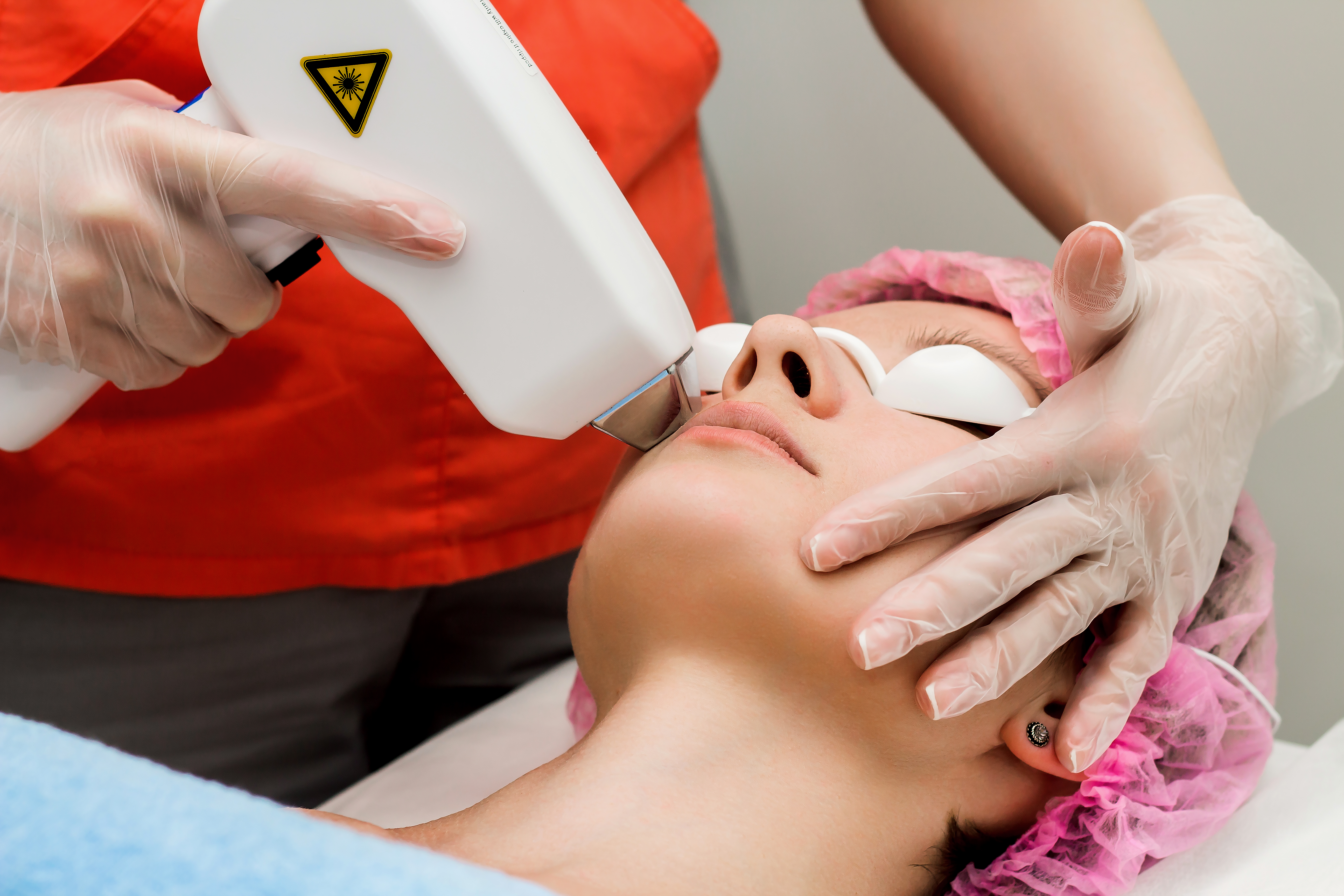
Chronic dry eye is not always caused by a simple lack of tears. For many patients, the problem is connected to meibomian gland dysfunction, or MGD. These glands line the eyelids and release the oils that help keep tears from evaporating too quickly. When the glands become blocked or inflamed, the tear film can become unstable, leading to burning, redness, irritation, fluctuating vision, and ongoing discomfort.
At ArkLaTex Eyes, we use advanced dry eye technology to look beyond temporary symptom relief and identify factors contributing to dry eye disease. For patients with MGD-related dry eye, OptiLight IPL therapy can help address inflammation that may be driving the cycle of irritation.
How OptiLight IPL Therapy Works
OptiLight by Lumenis uses carefully controlled pulses of broad-spectrum light around the eyelid area. The treatment is designed to reduce inflammation associated with MGD and support a healthier ocular surface. By targeting an underlying contributor to evaporative dry eye, OptiLight can help improve the environment needed for the meibomian glands and tear film to function more effectively.
OptiLight is an FDA-approved IPL treatment for dry eye management. Treatment is noninvasive and performed in a series of short sessions. Because chronic dry eye can have more than one cause, we first evaluate the eyes and tear film to determine whether IPL is appropriate for your specific condition.
Signs MGD May Be Contributing to Dry Eye
MGD-related dry eye can cause symptoms that come and go or become persistent over time. Patients may notice:
- Burning, stinging, or gritty sensations
- Red or irritated eyes
- Watery eyes caused by tear film instability
- Blurry or fluctuating vision
- Contact lens discomfort
- Symptoms that worsen with screen use, wind, or dry environments
These symptoms can overlap with other eye conditions, which is why a detailed dry eye evaluation is important before choosing treatment.
Advanced Testing Helps Guide Treatment
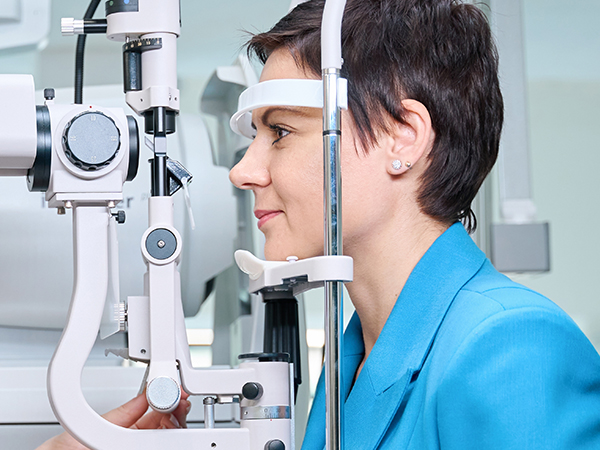
At ArkLaTex Eyes, our dry eye services include the OCULUS Keratograph 5M, which helps us evaluate the meibomian glands, noninvasive tear film break-up time, tear meniscus height, and lipid layer. This information gives us a clearer view of what is contributing to a patient's symptoms.
When needed, OptiLight IPL therapy may be combined with other dry eye treatments. We also offer iLux, which uses heat and gentle pressure to help soften oil buildup and unblock meibomian glands. For certain moderate to severe ocular surface conditions, Prokera may also be considered to support healing.
Treating More Than the Symptoms
Artificial tears can provide temporary moisture, but they may not address inflammation or blocked meibomian glands. For patients whose chronic dry eyes are tied to MGD, a more targeted approach may provide longer-lasting improvement in comfort and tear film quality.
Schedule a dry eye evaluation with ArkLaTex Eyes in Texarkana, TX at (903) 838-9063 to find out whether OptiLight IPL therapy may be right for you.
Quick Links
Helpful Articles
All Eye Care Services
Find personalized eye care excellence with our comprehensive services. From eye exams to advanced diagnostics, trust us for all your vision needs.

Keep In Touch
For non-urgent questions or to learn more about our services, contact us today!
© 2026 ArkLaTex Eyes. All rights Reserved - Accessibility Statement - Privacy Policy - Sitemap
Managed and Designed by 